Get In Touch: 021 945 4926 / 021 945 4927 | Email: reception@vidat.co.za | accounts@vidat.co.za

Advancements in Artificial Eyes: Visually Impaired Individuals in South Africa

In recent years, artificial eyes in South Africa has made significant advancements. These innovations offer renewed hope for visually impaired individuals. Bionic eye technology aims to restore vision and improve quality of life. This progress is crucial for children and underserved communities with limited access.
Innovations in Bionic Eye Technology
Researchers in South Africa are exploring new materials and designs for artificial eyes. Bionic eyes integrate advanced sensors and digital interfaces for enhanced vision. This technology not only restores sight but also mimics human vision complexities. Users can navigate their environments more effectively with these advancements.
Improving Accessibility for Artificial Eyes in South Africa
Many face barriers in accessing life-changing technologies. Various organizations are working to improve availability for those in need. Programs distribute artificial eyes and offer financial assistance to families. These initiatives focus on reaching children and underserved communities, ensuring equitable access.
The Path Forward for South Africans
Ongoing research and collaboration are essential for maintaining momentum. Stakeholders must work together to foster innovation and accessibility. Healthcare professionals, researchers and community organizations play vital roles. Staying informed through local news and medical journals is crucial for progress.
In conclusion, advancements in artificial eyes in South Africa represent hope for many. With continued investment and a focus on accessibility, the future looks bright for those seeking to regain their vision.
Personal Stories: The Impact of Artificial Eyes in South Africa
The advancements in artificial eyes in South Africa are not just technological milestones; they profoundly impact the lives of individuals. Personal stories reveal the transformative effects these innovations have on everyday experiences.
Empowering Young Lives
Take, for example, 10-year-old Sipho, who received a bionic eye last year. Before his surgery, Sipho struggled with low self-esteem and social isolation. Now, he can engage in school activities and play with friends confidently. His story exemplifies how artificial eyes in South Africa can restore not just sight but also a sense of belonging.
A New Perspective
Thandi, a young adult who lost her vision due to a medical condition, shares her journey. After receiving an artificial eye, she describes it as “life-changing.” Thandi can pursue her education and dreams with renewed hope. Her experience highlights how access to artificial eyes can open doors for those previously limited by visual impairment.
Bridging the Accessibility Gap
Organizations facilitating access to artificial eyes in South Africa often share heartwarming testimonials. Families express gratitude for the support that allowed their children to receive these technologies. Many emphasize the importance of improving accessibility, as these advancements are life-altering for countless individuals.
These personal stories illustrate the broader impact of artificial eyes in South Africa. They highlight the potential for enhanced quality of life, increased independence and the ability to participate fully in society. As technology continues to evolve, the stories of those affected will inspire further advancements and initiatives.
Overcoming Challenges
Lucas’s Journey of Resilience
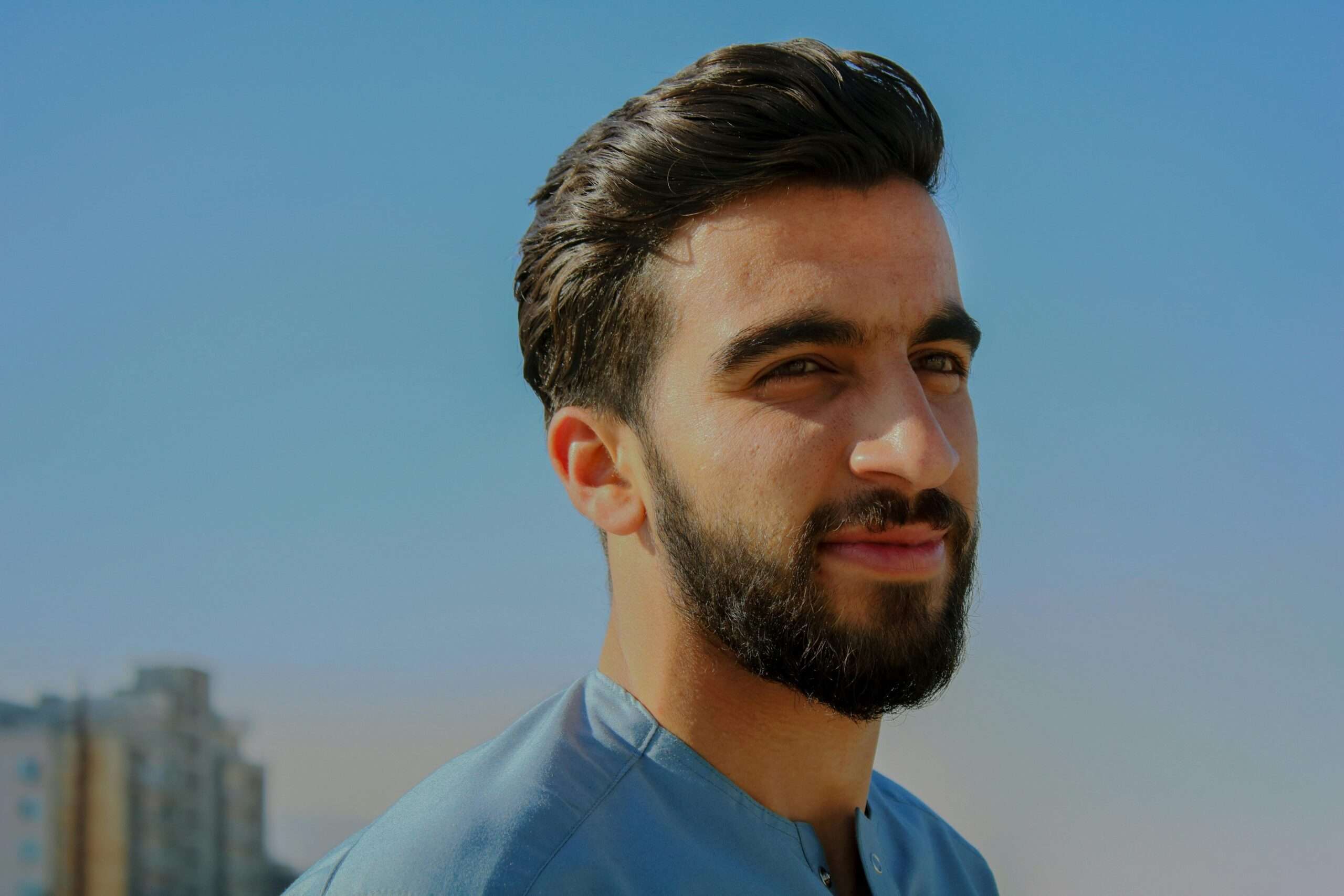
At just 12 years old, Lucas faced the challenge of congenital blindness. After receiving an artificial eye, he shares, “I can see the faces of my family for the first time.” Lucas’s newfound ability to recognize loved ones has boosted his confidence and motivated him to pursue his passion for sports. He now plays soccer with his friends, embracing life with joy.
Regaining Independence
Zanele’s Path to Empowerment
Zanele, a 28-year-old woman, lost her vision due to an accident. With the help of an artificial eye, she regained her independence. “I can travel alone again,” she says, smiling. Zanele has returned to work, inspiring others with her determination. Her story underscores the importance of accessibility in restoring not just sight, but autonomy.
Community Support
The Role of Family and Friends
For 9-year-old Aisha, receiving an artificial eye was a family affair. Her parents worked tirelessly to find support and resources. “We never gave up hope,” her mother says. Aisha now enjoys school and participates in community events. Her story highlights how collective effort and community support can make a significant difference in accessing artificial eyes.
Breaking Barriers
Thabo’s Ambition
Thabo, a university student, lost his vision during childhood. With his new artificial eye, he is pursuing a degree in engineering. “I want to design technology that helps others,” he states confidently. Thabo’s ambitions demonstrate how artificial eyes can empower individuals to dream bigger and contribute meaningfully to society.

These stories illustrate the diverse experiences of individuals benefiting from artificial eyes in South Africa. Each narrative emphasizes the transformative potential of this technology, highlighting personal growth, empowerment and community support.